Car Buying Guide Texas – A Simple Guide for Smart Buyers
Published: 31 Mar.2026
Buying a car in Texas can feel exciting, but it can also feel confusing. You have to think about the price, insurance, title transfer, taxes, inspection, financing, and paperwork.
This Car Buying Guide Texas makes the process simple. It explains how to buy a new or used car, how to buy from a private seller, how to buy from a dealer, what documents you need, and what to do after the sale. It also includes helpful buying tips to help you avoid common mistakes and make a smart decision.
Whether this is your first car or your next car, use this guide to avoid problems, protect your money, and make a safe choice.
Why You Need a Car Buying Guide in Texas
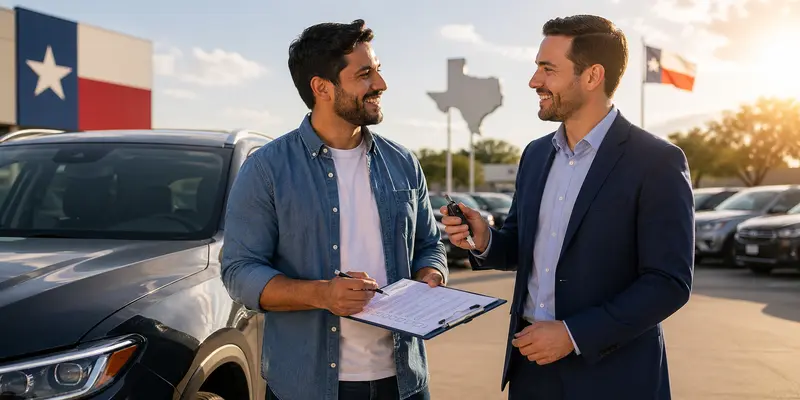
A car is a big purchase. One small mistake can cost you money later. For example, if the title is not transferred correctly, the buyer may face delays. If the seller does not file a vehicle transfer notification, they may still receive tolls, tickets, or other issues tied to the vehicle. Texas DMV says vehicles should be titled in the buyer’s name within 30 days from the sale date.
A good guide helps you understand:
- What to check before buying
- What documents you need
- How Texas title transfer works
- How to avoid used car scams
- What to do after buying the car
- How to protect yourself as a buyer or seller
Step 1: Decide What Type of Car You Need
Before you visit a dealer or message a private seller, know what you need.
Ask yourself:
- Do I need a small car, SUV, truck, or family vehicle?
- Will I use it daily or only sometimes?
- How much can I spend each month?
- Do I want a new car, used car, or certified pre-owned car?
- How much will insurance, fuel, and repairs cost?
Do not only look at the car price. A cheap car can become expensive if it needs many repairs.
Step 2: Set a Real Budget
Your car budget should include more than the selling price.
Plan for:
- Down payment
- Monthly payment
- Insurance
- Texas motor vehicle sales tax
- Title and registration fees
- Maintenance
- Tires and repairs
- Fuel
Texas motor vehicle sales tax is generally 6.25% of the sales price, minus any trade-in allowance. For private-party used vehicle sales, tax may be based on the standard presumptive value rules.
A smart rule is simple: do not buy the most expensive car you can afford. Leave room for repairs and emergencies.
Step 3: Research the Car Before You Buy
Before you agree to meet or visit a dealership, research the car.
Check:
- Market value
- Common problems with that model
- Fuel economy
- Safety ratings
- Recall history
- Repair cost
- Insurance cost
- Resale value
For used cars, always check the VIN. A VIN can help you review the vehicle history, title records, mileage issues, accident history, and possible flood damage.
MORE USEFUL LINKS THAT YOU WILL LIKE:
Wheel Speed Sensor Symptoms – Signs Causes Diagnosis and Fixes
Cadillac LYRIQ – Do the Driving Modes Offer Different Ranges or Battery Usages?
Best Mileage for a Used Car – A Smart Buyer’s Guide
Used Car Buying Guide Texas: What to Check
A used car can save you money, but only if you inspect it carefully.
Exterior Checklist
Check for:
- Rust
- Dents
- Paint mismatch
- Uneven body gaps
- Cracked lights
- Tire wear
- Windshield cracks
Paint mismatch or uneven gaps may show past accident repairs.
Interior Checklist
Check:
- Seats
- Dashboard lights
- Air conditioning
- Heater
- Windows
- Locks
- Radio
- Touchscreen
- Seat belts
- Smell inside the car
A moldy smell may mean water damage.
Engine Checklist
Look for:
- Oil leaks
- Coolant leaks
- Strange sounds
- Smoke
- Burning smell
- Dirty or low fluids
- Loose belts
- Warning lights
You do not need to be a mechanic, but you should still look closely.
Test Drive Checklist
During the test drive, check:
- Smooth braking
- Easy steering
- Gear shifting
- Engine noise
- Suspension noise
- Acceleration
- Warning lights
- Air conditioning
- Parking and reversing
If the seller does not allow a test drive, walk away.
Buying a Used Car in Texas From a Dealer
Buying a used car in Texas from a dealer is usually easier than buying from a private seller.
A dealer may help with:
- Title paperwork
- Registration
- Financing
- Temporary or required plates
- Warranty options
- Certified pre-owned vehicles
- Trade-ins
Still, you must read everything before signing.
Ask the dealer:
- Is the car sold as-is or with warranty?
- What fees are added?
- Is there a return or exchange policy?
- Has the car passed inspection?
- Can I see the vehicle history report?
- What is the final out-the-door price?
The “out-the-door price” means the full amount you pay, including taxes and fees.
How to Buy a Used Car in Texas From a Private Seller
Buying from a private seller can sometimes be cheaper, but you must do more work yourself.
Follow these steps:
- Check the car’s market value.
- Ask for the VIN.
- Review the vehicle history.
- Meet in a safe public place.
- Inspect the car in daylight.
- Take a test drive.
- Ask for maintenance records.
- Check that the seller’s name matches the title.
- Make sure the title has no lien.
- Complete the title transfer at the county tax office.
For a private sale, it is smart for the buyer and seller to go together to the county tax office. Texas DMV recommends this because it helps make sure the vehicle title application is filed correctly.
Dealer vs Private Seller: Which Is Better?
| Buying Option | Best For | Main Benefit | Main Risk |
|---|---|---|---|
| Dealer | Buyers who want easier paperwork | Dealer can handle many steps | Extra fees may apply |
| Private seller | Buyers looking for lower prices | Price may be lower | More risk and more paperwork |
| Certified pre-owned | Buyers who want more peace of mind | Inspection and warranty options | Usually costs more |
If you are new to buying cars, a dealer may feel easier. If you know cars well, a private seller may help you save money.
Texas Vehicle Bill of Sale: Do You Need One?
A Texas vehicle bill of sale is a document that records the sale details. It can protect both the buyer and the seller.
It usually includes:
- Buyer’s name and address
- Seller’s name and address
- Vehicle year, make, and model
- VIN
- Odometer reading
- Sale price
- Sale date
- Signatures
A bill of sale does not replace the title transfer. It is only proof of the sale terms.
Many people search for vehicle bill of sale Texas PDF because they want a printable form. You can use a simple bill of sale, but make sure the information is correct and matches the vehicle title.
Documents You Need to Buy a Car in Texas
The documents may depend on whether you buy from a dealer or private seller.
Common documents include:
- Valid photo ID
- Proof of insurance
- Vehicle title
- Application for Texas Title and/or Registration, also called Form 130-U
- Bill of sale or purchase agreement
- Odometer disclosure, when required
- Loan documents, if financing
- Lien release, if the vehicle had a lien
Texas Form 130-U is used for title and registration, and TxDMV notes that title applications must include an approved government-issued photo ID.
How Texas Title Transfer Works
A title proves vehicle ownership. When a car is sold, gifted, or transferred, the title should be moved to the new owner.
Basic title transfer steps:
- Seller signs the title.
- Buyer checks that all details are correct.
- Buyer completes Form 130-U.
- Buyer provides proof of insurance if applying for registration.
- Buyer pays taxes and fees.
- Buyer files the paperwork with the county tax assessor-collector.
Detailed TxDMV instructions say the completed Form 130-U, properly assigned title, and proof of insurance, if applying for registration, are required to be filed with the correct county tax office.
How to Transfer a Car Title to a Family Member in Texas
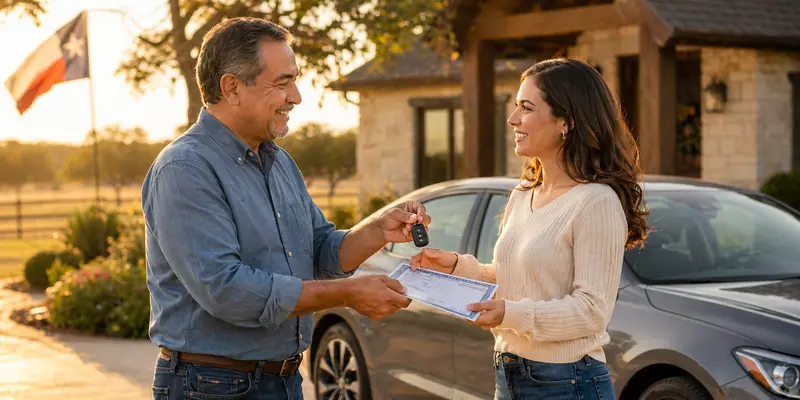
Transferring a car title to a family member in Texas is common. It may happen between parents, children, spouses, or other relatives.
You still need proper paperwork. A family transfer is not complete just because you hand over the keys.
Basic steps may include:
- Properly signed vehicle title
- Form 130-U
- Proof of insurance, if registering
- Valid ID
- Required tax or gift transfer documents
- County tax office submission
Because family transfer rules can depend on the exact relationship and situation, check with your county tax assessor-collector before filing. This helps you avoid tax or paperwork mistakes.
Selling a Car in Texas: What Sellers Should Know
If you are selling a car in Texas, you need to protect yourself too.
Before the sale:
- Remove personal items.
- Clear toll tags.
- Check if you still owe money.
- Prepare the title.
- Write a bill of sale.
- Keep copies of documents.
- Take photos of the car and odometer.
After the sale:
- Submit a vehicle transfer notification.
- Cancel or update insurance.
- Keep sale records.
- Remove plates if needed under current rules.
- Watch for toll or ticket notices.
The seller should submit a vehicle transfer notification because it updates the motor vehicle record to show the vehicle has been sold.
Vehicle Transfer Notification Texas Online
The vehicle transfer notification Texas online process is important for sellers.
A vehicle transfer notification does not transfer ownership by itself. It only tells TxDMV that the vehicle was sold or transferred. Form VTR-346 instructions say sellers should submit it within 30 days to help protect themselves from liability for criminal or civil acts involving the vehicle after transfer.
This is one of the biggest points many buyers and sellers miss. If the buyer never transfers the title, the seller may still face problems. That is why sellers should file the notification quickly.
Can You Return a Car After Buying It in Texas?
Many buyers think they have three days to return a car. In most Texas car purchases, that is not true.
Once you sign the contract, the sale is usually final unless:
- The dealer offers a written return policy
- The seller lied about major facts
- The car qualifies under a legal protection
- The contract gives you a cancellation right
Always ask about return terms before signing. Get the answer in writing.
Financing a Car in Texas
If you do not pay cash, you may need financing.
Before applying:
- Check your credit score.
- Set a monthly budget.
- Compare banks, credit unions, online lenders, and dealer financing.
- Get pre-approved if possible.
- Read the loan terms carefully.
- Avoid focusing only on the monthly payment.
A lower monthly payment can look good, but a longer loan may cost more in interest.
Ask these questions:
- What is the interest rate?
- How long is the loan?
- Is there a prepayment penalty?
- What is the total cost of the loan?
- Are there extra products added?
Do not sign until you understand the full cost.
Red Flags When Buying a Used Car in Texas
Walk away if you notice these warning signs:
- Seller refuses to show the title
- Seller name does not match the title
- VIN on the car does not match the title
- Price is too low for no clear reason
- Seller wants only cash and rushes you
- Seller refuses inspection
- Car has water damage signs
- Odometer reading looks suspicious
- Warning lights stay on
- Seller avoids meeting at the county tax office
A good deal should still feel safe and clear.
What to Do After Buying a Car in Texas
After buying the car, do not stop at getting the keys.
Complete these steps:
- Get insurance before driving.
- Transfer the title on time.
- Register the vehicle.
- Pay taxes and fees.
- Keep copies of all documents.
- Save the bill of sale.
- Schedule maintenance.
- Update toll tag information.
- Set reminders for registration renewal.
Texas.gov provides official vehicle registration services and renewal information online.
Simple Texas Car Buying Checklist
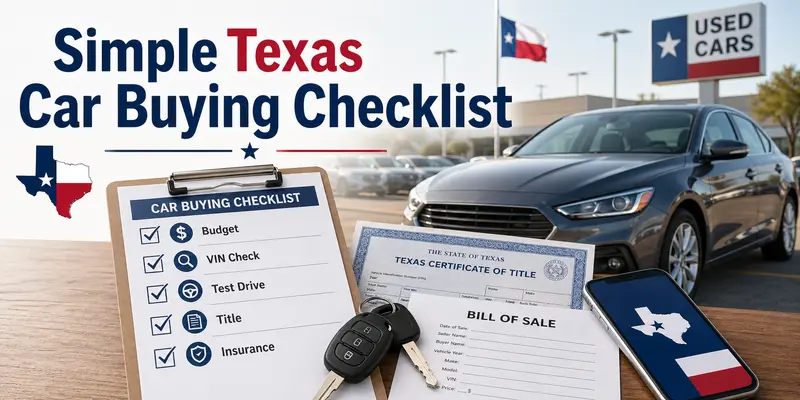
Use this quick checklist before you buy:
- Set your budget.
- Research the car value.
- Check the VIN.
- Review the vehicle history.
- Inspect the car.
- Test drive it.
- Confirm the title is clean.
- Ask about warranty.
- Get the final price in writing.
- Complete Form 130-U.
- Get a bill of sale.
- Transfer title and registration.
- Keep all records.
Common Mistakes to Avoid
Avoid these mistakes:
- Buying without a test drive
- Not checking the title
- Ignoring extra dealer fees
- Trusting only photos
- Skipping a mechanic inspection
- Forgetting insurance
- Not filing transfer notification as a seller
- Signing a contract too quickly
- Not reading “as-is” terms
- Forgetting taxes and registration costs
A little patience can save you from a bad deal.
Final Thoughts
This Car Buying Guide Texas gives you the main steps you need before buying or selling a vehicle. The best car purchase is not only about getting a low price. It is about getting a safe car, clean paperwork, fair terms, and peace of mind.
If you are buying from a dealer, ask for the full price, warranty details, and paperwork help. If you are buying from a private seller, check the title, meet safely, inspect the car, and complete the title transfer correctly.
Take your time. Ask questions. Read every document. A smart buyer is a protected buyer.
FAQs
The vehicle title is one of the most important documents because it proves ownership. You may also need Form 130-U, proof of insurance, ID, and payment records.
A bill of sale is strongly recommended. It records the sale price, date, buyer, seller, VIN, and vehicle details. It can help if there is a dispute later.
Yes, you can use a printable bill of sale PDF as long as it includes the correct buyer, seller, vehicle, price, date, and signature details. Make sure it matches the title information.
Check the VIN, inspect the car, test drive it, confirm the title is clean, complete Form 130-U, get a bill of sale, pay taxes and fees, and transfer the title at the county tax office.
Yes, it is usually easier because dealers often help with title, registration, financing, and paperwork. Still, you should read the contract and check all fees.
It is a notice sellers submit to TxDMV after selling or transferring a vehicle. It helps show the vehicle is no longer in the seller’s possession.
No. It does not transfer ownership. The buyer still needs to file the title transfer paperwork.
Texas DMV says vehicles are required to be titled in the buyer’s name within 30 days from the sale date.
MORE USEFUL LINKS THAT YOU WILL LIKE:
Car Electrical System Repair Cost – Complete Guide for Drivers
Power Steering Rack Replacement Cost – Full Guide for Drivers
Car Bumper Scratch Repair Cost – What You’ll Really Pay



- Be Respectful
- Stay Relevant
- Stay Positive
- True Feedback
- Encourage Discussion
- Avoid Spamming
- No Fake News
- Don't Copy-Paste
- No Personal Attacks
- Be Respectful
- Stay Relevant
- Stay Positive
- True Feedback
- Encourage Discussion
- Avoid Spamming
- No Fake News
- Don't Copy-Paste
- No Personal Attacks
