Car Electrical System Repair Cost – Complete Guide for Drivers
Published: 28 Apr.2026
A car electrical problem can be stressful. Your car may not start. The lights may flicker. The battery may keep dying. Sometimes, everything looks fine, but one small wire or fuse can stop an important part from working.
So, how much does car electrical system repair cost?
The average repair cost depends on the problem. A simple fuse may cost very little. A battery, alternator, starter, wiring issue, or control module problem can cost much more. In many cases, you first need an electrical diagnosis. The average cost for an electrical system diagnosis is $122 to $179, based on current RepairPal estimates.
The good news is this: if you find the problem early, you may avoid a bigger repair bill.
What Is a Car Electrical System?

Your car’s electrical system powers many important parts. It helps your car start, charge, light up, and run safely.
It includes:
- Battery
- Alternator
- Starter motor
- Fuses and relays
- Wiring
- Headlights and brake lights
- Sensors
- Power windows
- Door locks
- Dashboard lights
- Control modules
Modern vehicles depend heavily on electrical parts. This is why one small electrical fault can affect many systems at once.
For example, a weak alternator can cause dim lights, a dead battery, and trouble starting. NAPA says signs of alternator trouble can include dim or overly bright lights, battery warning lights, stalling, trouble starting, strange noises, and burning smells.
MORE USEFUL LINKS THAT YOU WILL LIKE:
Golf Buggy Tyre Pressure – The Best PSI for a Safer, Smoother Ride
Car Oil Leak Repair Cost: What You’ll Really Pay
Honda Civic vs Toyota Corolla – Which One Is Better for You?
Average Car Electrical System Repair Cost
Here is a simple cost table to help you understand common repair prices.
| Electrical Repair | Average Cost |
|---|---|
| Electrical system diagnosis | $122–$179 |
| Battery replacement | $412–$448 |
| Alternator replacement | $757–$1,032 |
| Starter replacement | $542–$766 |
| Fuse replacement | Usually low part cost, labor varies |
| Wiring repair | Depends on damage and labor time |
| Control module repair | Often expensive |
| Headlight electrical issue | Depends on bulb, wiring, and labor |
RepairPal lists battery replacement at $412 to $448, alternator replacement at $757 to $1,032, and starter replacement at $542 to $766. These prices do not always include taxes, extra repairs, or location-based shop fees.
Labor also matters. Many mechanics charge around $120 to $159 per hour, so the final cost can rise if the problem takes time to find.
Why Electrical Repairs Can Be Expensive
Car electrical repair is not always about replacing one part. Sometimes, the hard part is finding the real problem.
A mechanic may need to test:
- Battery voltage
- Alternator output
- Starter signal
- Fuses and relays
- Ground connections
- Wiring paths
- Sensors
- Computer codes
This takes time. A broken wire hidden behind the dashboard can be harder to find than a dead battery.
That is why diagnosis is important. If you guess and replace random parts, you may waste money and still not fix the issue.
Common Car Electrical Problems and Their Costs
1. Dead Battery
A dead battery is one of the most common car electrical problems. Your car may click when you turn the key, or it may not respond at all.
Common causes include:
- Old battery
- Loose battery terminals
- Corrosion
- Lights left on
- Charging system problem
- Parasitic battery drain
A battery replacement can cost around $412 to $448 on average.
Helpful tip: If your new battery dies again, the battery may not be the real problem. The issue could be the alternator, wiring, or something draining power while the car is off.
2. Bad Alternator
The alternator charges the battery while your engine runs. It also powers many electrical parts when the car is on.
Signs of a bad alternator include:
- Battery warning light
- Dim headlights
- Flickering dashboard lights
- Car stalls
- Burning rubber smell
- Strange whining noise
- Battery keeps dying
Alternator replacement usually costs $757 to $1,032 on average.
This repair is often more expensive than a battery replacement because the part and labor both cost more.
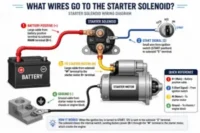
3. Starter Motor Problem
The starter helps turn the engine on. If the starter fails, your car may not start even when the battery is good.
Common signs include:
- Clicking sound
- Slow cranking
- No sound when turning the key
- Car starts sometimes but not always
Starter replacement usually costs $542 to $766 on average.
A bad starter can look like a battery problem. That is why testing matters before replacing parts.
4. Blown Fuse or Bad Relay
Fuses protect your car’s electrical circuits. If too much current flows through a circuit, the fuse can blow.
A blown fuse may stop these parts from working:
- Radio
- Interior lights
- Headlights
- Brake lights
- Power windows
- Wipers
- Charging ports
The fuse itself is usually cheap. AutoZone notes that fuse cost depends on the vehicle, fuse price, and labor, but the part is often only a few dollars.
Important: If the same fuse keeps blowing, do not keep replacing it. That may mean there is a short circuit or damaged wiring.
5. Faulty Wiring
Wiring problems can be tricky. A wire can break, burn, corrode, or rub against metal. Sometimes, the issue only happens when the car moves or when it rains.
Signs of faulty wiring include:
- Lights work sometimes
- Dashboard warnings come and go
- Burning smell
- Fuse keeps blowing
- Battery drains overnight
- Electrical parts stop working randomly
Wiring repair cost depends on how hard the wire is to reach. A small connector repair may be affordable. A damaged wiring harness can be costly because it takes more time to inspect and repair.
6. Bad Ground Connection
A ground connection helps electricity return safely through the vehicle body. If the ground is loose, rusty, or broken, your car may act strangely.
Signs of a bad ground include:
- Flickering lights
- Weak starter response
- Random warning lights
- Poor sensor readings
- Electrical parts turning on and off
This is a common issue that many drivers do not know about. A good technician will check ground points during diagnosis.
7. Control Module Problems
Modern cars use computer modules to control many systems. These modules can manage lights, windows, engine functions, safety systems, and more.
A control module issue may cause:
- Warning lights
- No-start condition
- Failed communication with scanner
- Random electrical faults
- Multiple systems failing at once
Control module repair can be expensive because the part may need programming after replacement.
What Affects Car Electrical System Repair Cost?

Several things can change the final price.
Vehicle Make and Model
Luxury cars, newer cars, hybrids, and electric vehicles often cost more to repair.
Problem Location
A fuse box issue may be easier to reach than wiring behind the dashboard.
Labor Time
Electrical faults can take longer to trace. The longer the diagnosis takes, the more labor you may pay.
Parts Price
A fuse is cheap. An alternator, starter, control module, or wiring harness costs more.
Shop Rate
Repair shops charge different hourly rates. Dealer labor is often higher than independent shop labor.
Extra Damage
A short circuit can damage more than one part. This can increase the total repair cost.
Can You Fix Car Electrical Problems Yourself?
You can handle a few simple checks at home.
You may be able to:
- Check if battery terminals are loose
- Clean light corrosion
- Replace an easy fuse
- Replace a simple bulb
- Check if lights were left on
- Look for visible damaged wires
But avoid risky work if you are not trained.
Call a mechanic if:
- The car will not start
- You smell burning
- Fuses keep blowing
- Wires look melted
- The battery keeps dying
- Warning lights stay on
- The issue affects headlights or brake lights
- You drive a hybrid or electric car
Electrical work can damage expensive parts if done wrong. It can also be unsafe.
How to Save Money on Electrical Repairs
You can reduce your repair cost with smart steps.
Get Diagnosis First
Do not replace parts based on guesses. A proper diagnosis can save money.
Share Clear Symptoms
Tell the mechanic what happened, when it started, and what changed before the problem appeared.
Example:
“My headlights flicker when I stop at traffic lights, and the battery light came on yesterday.”
This helps the mechanic find the issue faster.
Ask for a Written Estimate
Ask for parts, labor, diagnostic fee, and possible extra charges.
Fix Small Issues Early
A loose battery cable or corroded connector can turn into a bigger issue.
Use the Correct Parts
Wrong bulbs, cheap batteries, or poor-quality parts can create new electrical problems.
Check Battery Health
A weak battery can cause strange electrical symptoms. Testing it early is cheaper than being stuck later.
When Is the Repair Not Worth It?
Sometimes, car electrical system repair cost may be too high for an old vehicle.
Think carefully if:
- Repair cost is close to the car’s value
- The car has many other problems
- The wiring damage is severe
- A major control module needs replacement
- The vehicle is unreliable even after repairs
Before giving up on the car, get a second opinion. One shop may suggest full replacement, while another may find a smaller repair.
How to Prevent Car Electrical Problems

You cannot prevent every issue, but you can lower the risk.
Follow these simple tips:
- Keep battery terminals clean
- Replace weak batteries early
- Do not ignore warning lights
- Fix water leaks quickly
- Avoid overloading charging ports
- Use the right bulbs and fuses
- Check wiring after rodent damage
- Get regular inspections
- Do not install poor-quality electrical accessories
Small care can save you from a big repair bill later.
Final Thoughts
Car electrical system repair cost can be low or high. A simple fuse may be cheap. A battery, starter, alternator, wiring repair, or control module can cost much more.
The best move is to start with proper diagnosis. It helps you find the real problem and avoid wasting money on parts you do not need.
Your car’s electrical system is like its nervous system. When one part fails, many things can act strange. So, if your lights flicker, your battery keeps dying, or your car will not start, do not ignore it. Get it checked early and keep your car safe, reliable, and ready for the road.
FAQs
It depends on the problem. Diagnosis may cost around $122 to $179, while repairs like battery, starter, or alternator replacement can cost more.
A dead or weak battery is one of the most common issues. But alternator problems, blown fuses, and wiring faults are also common.
Your battery may be old, or your alternator may not be charging it. There may also be a power drain when the car is off.
It depends on the issue. If headlights, brake lights, starting, or charging systems are affected, you should avoid driving until the car is checked.
Flickering lights can come from a weak battery, bad alternator, loose wiring, poor ground connection, or failing bulb.
The fuse itself is usually cheap, but the labor can cost more if the fuse box is hard to reach or the fuse keeps blowing again.
For simple issues, a regular mechanic may help. For wiring faults, repeated fuse problems, or hard-to-find electrical issues, an auto electrician may be the better choice.
MORE USEFUL LINKS THAT YOU WILL LIKE:
Dual Turbo vs Twin Turbo – What’s the Real Difference?
Car Buying Guide Texas: How to Buy Smart and Avoid Costly Mistakes
Wheel Alignment With New Tyres – Do You Need It?




- Be Respectful
- Stay Relevant
- Stay Positive
- True Feedback
- Encourage Discussion
- Avoid Spamming
- No Fake News
- Don't Copy-Paste
- No Personal Attacks
- Be Respectful
- Stay Relevant
- Stay Positive
- True Feedback
- Encourage Discussion
- Avoid Spamming
- No Fake News
- Don't Copy-Paste
- No Personal Attacks
