Electric Cars vs Diesel – Which One Is Better for Real Drivers?
Published: 03 May.2026
Choosing between electric cars vs diesel is not just about fuel. It is about your budget, daily driving, long trips, maintenance, charging access, and how long you plan to keep the car.
Electric cars are growing fast because they are cheaper to run, quiet, smooth, and better for city driving. Diesel cars still make sense for some drivers because they can travel long distances, refuel quickly, tow heavy loads, and often cost less to buy used.
The best choice depends on how you drive. A city driver with home charging may save more with an electric car. A rural driver, delivery worker, or heavy towing user may still find diesel more practical.
For better auto comparisons, it is important to look at real driving needs, not just fuel type.
Electric Cars vs Diesel at a Glance
| Feature | Electric Car | Diesel Car |
|---|---|---|
| Purchase price | Usually higher upfront | Often cheaper, especially used |
| Running cost | Lower charging cost | Higher fuel cost |
| Maintenance | Fewer moving parts | More parts need service |
| Long-distance driving | Good, but needs charging planning | Strong for long trips |
| Refuelling/charging time | Slower than diesel refuelling | Very fast to refuel |
| City driving | Excellent | Less ideal for short trips |
| Towing and heavy load | Improving, but range can drop | Strong torque and towing ability |
| Environment | No tailpipe emissions | Produces exhaust emissions |
| Noise | Very quiet | Louder engine sound |
| Best for | City users, home chargers, low running cost | Long-distance drivers, heavy users, rural areas |
How Electric Cars Work
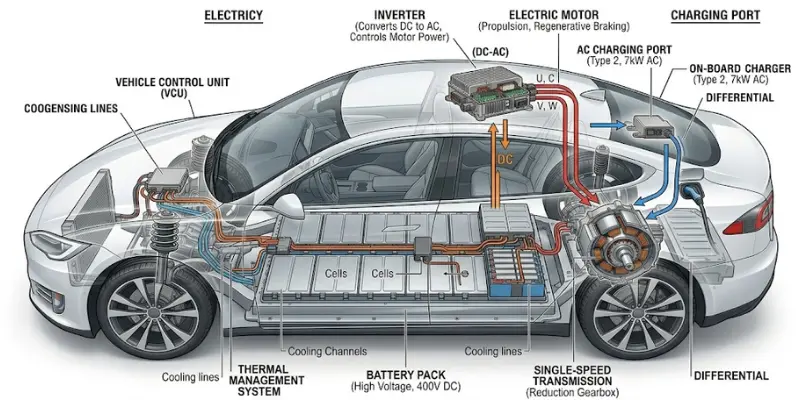
An electric car uses a battery and electric motor instead of a fuel engine. You charge the battery at home, at work, or at a public charging station. The motor sends power directly to the wheels.
This gives electric cars smooth acceleration and instant power. They do not need oil changes like diesel cars. They also do not have exhaust systems, fuel injectors, turbo issues, or diesel particulate filters.
Main benefits of electric cars include:
- Lower daily running cost
- Quiet driving
- Smooth acceleration
- No tailpipe emissions
- Less regular servicing
- Good for short city trips
- Easy home charging if you have a charger
How Diesel Cars Work
A diesel car uses a diesel engine that burns fuel to create power. Diesel engines are known for strong torque. That means they can pull weight well, which is why many vans, trucks, SUVs, and work vehicles use diesel.
Diesel cars are often useful for:
- Long motorway driving
- Rural driving
- Heavy loads
- Towing
- Business use
- High-mileage drivers
But diesel cars also need regular servicing. They have more mechanical parts, and repairs can become expensive as the car gets older.
MORE USEFUL LINKS THAT YOU WILL LIKE:
Cracks in Tyre Sidewall – What They Mean and When to Replace the Tyre
Car Door Handle Repair Cost: What You Should Expect to Pay
Car Dent Repair Cost: What You’ll Really Pay in 2026
Electric Cars vs Diesel Price
When people search for electric cars vs diesel price, they usually want to know which one is cheaper overall.
The simple answer is this:
Diesel cars are often cheaper to buy. Electric cars are usually cheaper to run.
New electric cars can cost more because batteries are expensive to make. Diesel cars have been around for many years, so there are more models and more used options. This makes diesel easier to buy on a lower budget.
However, the price gap is slowly changing. More electric cars are entering the used market. As battery technology improves, electric cars may become more affordable for more buyers.
Upfront Price
Diesel cars often win on purchase price, especially used models. A buyer with a tight budget may find many more diesel options than electric ones.
Electric cars usually cost more upfront, but they can save money later through lower charging and maintenance costs.
Long-Term Value
Electric cars can be better for long-term savings if:
- You drive daily
- You charge at home
- Electricity prices are fair in your area
- You avoid frequent public fast charging
- You keep the car for several years
Diesel cars can be better value if:
- You need a cheaper used car
- You drive long distances often
- You do not have easy charging access
- You need strong towing power
- You cannot wait for charging on work trips
Electric Car vs Diesel Car Running Cost
Electric car vs diesel car running cost is one of the biggest reasons buyers compare both options.
Electric cars are usually cheaper to run per mile. Charging at home often costs much less than buying diesel. Electric motors also use energy more efficiently than diesel engines.
Diesel cars can still be efficient on long motorway drives, but fuel prices can change quickly. Diesel also needs more regular maintenance.
Running Costs to Consider
When comparing electric and diesel running costs, look at:
- Fuel or charging cost
- Insurance cost
- Road tax or local charges
- Servicing cost
- Tyre replacement
- Battery health
- Repairs
- Depreciation
- Home charger installation
A true cost comparison should not only look at fuel. It should look at total ownership cost.
Electric Car vs Diesel Calculator: What to Include
An electric car vs diesel calculator can help you estimate which option saves more money. You do not need a complex tool. You can compare the main costs yourself.
Use these points:
| Cost Area | What to Check |
|---|---|
| Purchase price | How much the car costs now |
| Annual mileage | How many miles you drive per year |
| Fuel cost | Diesel price per litre or gallon |
| Charging cost | Home and public charging price |
| Efficiency | Miles per gallon or miles per kWh |
| Maintenance | Service, oil, filters, brakes, repairs |
| Insurance | Electric cars may cost more to insure in some cases |
| Resale value | Expected value after 3 to 5 years |
| Charger cost | Home charger purchase and installation |
Simple Example
If you drive short trips every day and charge at home, an electric car may save money each month.
If you drive long distances for work and cannot charge easily, diesel may still be more practical.
The best calculator is based on your own driving life, not just average numbers.
Electric Cars vs Diesel Pros and Cons
Both options have strong points. Both also have limits.
Electric Car Pros
- Cheaper daily running cost
- No tailpipe emissions
- Quiet and smooth drive
- Instant acceleration
- Fewer moving parts
- Less regular servicing
- Great for city driving
- Can charge at home overnight
- Often includes modern tech features
- Better for stop-start traffic
Electric Car Cons
- Higher purchase price
- Charging takes longer than refuelling
- Public chargers may not always be available
- Range can drop in cold weather
- Towing can reduce range
- Battery replacement can be costly outside warranty
- Some models cost more to insure
- Apartment users may struggle with charging
Diesel Car Pros
- Lower used purchase price
- Fast refuelling
- Long driving range
- Strong torque
- Good for towing
- Better for high-mileage motorway driving
- More used models available
- Easier to find experienced mechanics
- Strong for work vehicles and rural use
Diesel Car Cons
- Higher fuel cost
- Produces exhaust emissions
- More engine noise
- More moving parts
- Needs oil and filter changes
- Diesel particulate filter issues on short trips
- Fuel prices can change fast
- Future resale demand may reduce in some areas
Are Diesel Cars Better for the Environment Than Electric?
Many people ask: are diesel cars better for the environment than electric?
In most cases, electric cars are better during daily driving because they have no tailpipe emissions. They do not release exhaust gases while driving. This helps reduce local air pollution, especially in busy cities.
Diesel cars produce carbon dioxide and other pollutants from the exhaust. Modern diesel cars are cleaner than older diesel models, but they still burn fuel.
However, electric cars are not perfect. Their batteries need raw materials. Battery production creates emissions. Electricity can also come from fossil fuels in some places.
The full environmental answer depends on:
- How the electricity is produced
- How long the electric car is used
- Battery production and recycling
- Vehicle size and weight
- Driving habits
- Local fuel quality and emissions rules
Even with battery production impact, electric cars usually become cleaner over their lifetime, especially when charged with cleaner electricity.
Diesel vs Electric Truck
The diesel vs electric truck debate is different from small cars.
Diesel trucks are still strong for heavy-duty work. They can carry large loads, tow trailers, and refuel quickly. This matters for logistics, farming, construction, and long-distance transport.
Electric trucks are improving. They can offer strong torque, lower running costs, and quieter operation. They are useful for city deliveries and fixed routes where charging can be planned.
Diesel Trucks Are Better When
- Routes are very long
- Loads are heavy
- Refuelling speed matters
- Charging stations are limited
- Work happens in remote areas
Electric Trucks Are Better When
- Routes are short or planned
- Charging happens at a depot
- Fuel savings are important
- Noise reduction matters
- The truck works in cities
- Emission rules are strict
For now, diesel trucks still make sense for heavy long-distance use. Electric trucks are becoming stronger for local delivery and planned business routes.
Advantages of Electric Cars
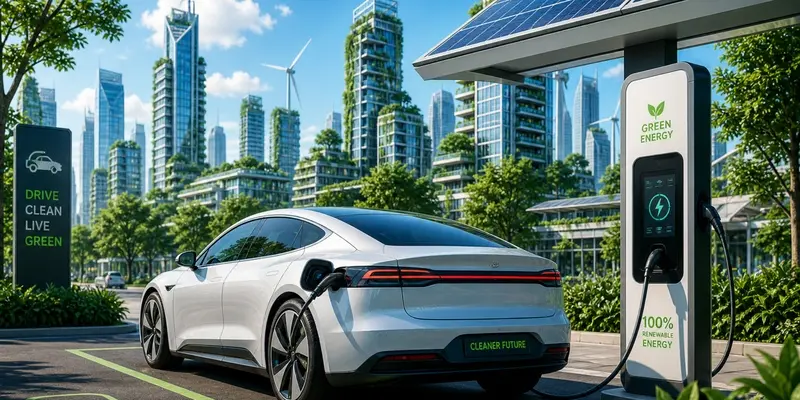
The main advantages of electric cars are not only about saving fuel. They also improve the driving experience.
Lower Daily Cost
Electric cars can be much cheaper to charge than diesel cars are to fuel. This is the biggest reason many drivers switch.
Less Maintenance
Electric cars have fewer parts that wear out. There is no engine oil, fuel pump, exhaust system, or diesel filter system.
Better City Driving
Electric cars work well in traffic because they use energy more efficiently at low speeds. Regenerative braking can also help recover energy when slowing down.
Smooth and Quiet Ride
Electric cars are quiet. They do not shake like diesel engines. This makes daily driving more comfortable.
Strong Acceleration
Electric motors give instant torque. Even normal electric cars can feel quick from a stop.
10 Reasons Why Gas Cars Are Better Than Electric
Many searches include 10 reasons why gas cars are better than electric. Since diesel cars are also fuel-powered vehicles, some of these points apply to diesel too.
Here are practical reasons why fuel cars can still be better for some drivers:
- Lower upfront price on many used models
- Faster refuelling
- More fuel stations available
- Better for long trips without planning
- More choices in the used market
- Easier access to mechanics
- Better towing options in many segments
- No need for home charging setup
- Less worry about charger availability
- Familiar technology for most drivers
These points do not mean fuel cars are better for everyone. They mean diesel or gas cars may still fit some lifestyles better than electric cars.
Which Is Better for City Driving?
Electric cars are usually better for city driving.
They are quiet, smooth, and efficient in stop-start traffic. You do not waste fuel while idling like a diesel engine. If you can charge at home, you may rarely need to visit a public charger.
Diesel cars are not ideal for short city trips. Short trips can cause diesel particulate filter problems because the engine may not get hot enough to clean the filter properly.
Best choice for city driving: Electric car
Which Is Better for Long Trips?
Diesel cars can still be better for long trips, especially where charging stations are limited.
A diesel car can refuel in minutes and keep going. This is useful for drivers who travel far for work or family trips.
Electric cars can also handle long trips, but you need to plan charging stops. Newer electric cars have better range, but charging still takes longer than filling diesel.
Best choice for long trips: Diesel for convenience, electric if charging routes are strong
Which Is Better for Families?
For many families, electric cars can be a smart choice if most driving is local. School runs, shopping, short commutes, and weekend trips fit electric cars well.
Families may prefer diesel if they often take long road trips, tow caravans, or live in areas with poor charging access.
Choose electric if:
- You drive mostly local routes
- You have home charging
- You want low running costs
- You prefer quiet comfort
Choose diesel if:
- You travel long distances often
- You tow heavy items
- You live far from chargers
- You want a cheaper used family car
Which Is Better for Business Use?
Business drivers need to think about cost, time, and reliability.
Electric cars are great for businesses with fixed routes, depot charging, or city driving. They can reduce running costs and support cleaner brand image.
Diesel is still useful for long-distance work, emergency jobs, rural routes, and heavy load transport.
For business use, the right answer depends on the route. A delivery van that returns to base every night may suit electric. A long-distance trade vehicle may still suit diesel.
Maintenance: Electric vs Diesel
Electric cars usually need less maintenance. There are fewer parts to service.
Electric cars may still need:
- Tyres
- Brakes
- Cabin filters
- Coolant checks
- Battery health checks
- Software updates
Diesel cars may need:
- Oil changes
- Fuel filters
- Air filters
- Timing belts or chains
- Turbo repairs
- Exhaust repairs
- Diesel particulate filter cleaning
- Transmission servicing
Diesel maintenance can become costly as the car gets older.
Range and Charging vs Refuelling
Range is a key point in electric cars vs diesel.
Diesel cars usually offer long range and fast refuelling. Electric cars need charging time. Home charging is easy for many owners, but public charging can be less predictable.
Electric Car Range Can Be Affected By
- Cold weather
- High speed driving
- Heavy loads
- Towing
- Battery age
- Use of heating or air conditioning
- Hills and road conditions
Diesel Range Can Be Affected By
- Driving speed
- Load weight
- Engine condition
- Tyre pressure
- Traffic
- Fuel quality
Diesel still wins for quick long-distance refuelling. Electric wins for daily home charging convenience.
Safety and Driving Feel
Electric and diesel cars both can be safe. The difference is how they feel.
Electric cars are quiet and fast from low speed. This makes them easy to drive in traffic. Some drivers enjoy the smooth power. Others may need time to adjust.
Diesel cars feel familiar. They have engine sound, gear changes, and strong pulling power. Many drivers still prefer this for motorway driving and towing.
Electric cars are often heavier because of batteries. Diesel cars are usually lighter in the same size class, but this depends on the model.
Resale Value and Future Demand
Electric cars may hold value well when demand is strong, but battery health matters. A used electric car with a weak battery may be harder to sell.
Diesel cars may still sell well in rural and work markets. But in some cities, diesel demand may drop because of clean air rules and changing buyer habits.
Before buying, check:
- Local rules
- Used market demand
- Battery warranty
- Service history
- Mileage
- Charging access
- Fuel prices
Who Should Buy an Electric Car?
An electric car may be right for you if:
- You drive mostly short or medium trips
- You can charge at home
- You want lower running costs
- You want a quiet car
- You care about local air pollution
- You do not tow heavy loads often
- You can plan charging on long trips
Who Should Buy a Diesel Car?
A diesel car may be right for you if:
- You drive long distances often
- You need fast refuelling
- You tow trailers or caravans
- You drive in rural areas
- You want a cheaper used vehicle
- You do not have home charging
- You need a work vehicle with strong torque
Common Buying Mistakes to Avoid
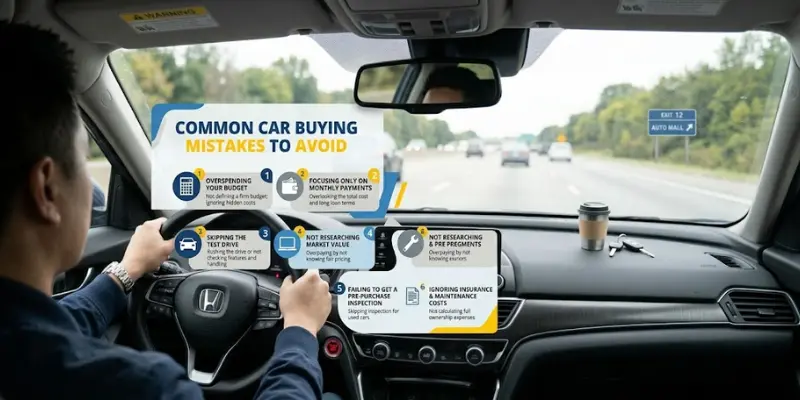
Only Looking at Purchase Price
A cheaper diesel car may cost more later in fuel and repairs. A higher-priced electric car may save money over time.
Ignoring Charging Access
Do not buy an electric car if you have no clear charging plan. Public charging alone can be less convenient and sometimes more expensive.
Forgetting Your Driving Style
A car that works for one driver may not work for another. Daily short trips and long motorway journeys are very different.
Not Checking Battery Health
When buying a used electric car, battery condition matters. Always check battery health, warranty, and service records.
Buying Diesel for Short Trips Only
Diesel cars need proper longer runs. Too many short trips can lead to filter problems and repair costs.
Electric Cars vs Diesel: Final Verdict
Electric cars are better for many modern drivers. They are cheaper to run, quieter, smoother, and cleaner during daily use. If you drive mostly in the city and can charge at home, an electric car can be a smart long-term choice.
Diesel cars are still better for some drivers. They are practical for long trips, towing, rural driving, and heavy work. They are also easier to buy used at lower prices.
The best choice is not about which car type wins everywhere. It is about which one fits your real driving life.
If you want low running costs and easy daily driving, choose electric. If you need long range, fast refuelling, and strong towing power, diesel may still be the better option.
FAQs
Electric cars are usually more expensive to buy, but they are often cheaper to run. Diesel cars can be cheaper upfront, especially used, but fuel and maintenance costs can be higher.
Diesel can be better for long-distance driving because refuelling is quick and fuel stations are easy to find. Electric cars can also do long trips, but you need to plan charging stops.Is diesel better than electric for long-distance driving?
Usually, no. Electric cars have no tailpipe emissions, while diesel cars produce exhaust emissions. However, electric cars still have environmental impact from battery production and electricity generation.
The biggest advantage is low running cost. Electric cars are also quiet, smooth, and need less regular maintenance.
The biggest advantage is long-distance practicality. Diesel cars can travel far, refuel quickly, and tow heavy loads well.
Some electric cars can tow, but towing can reduce range quickly. Diesel vehicles are still often better for regular heavy towing.
Diesel cars are not the best choice for short city trips. Short journeys can cause diesel filter problems and reduce efficiency.
Buy electric if you drive mostly local routes and can charge easily. Buy diesel if you drive long distances, tow often, or need a cheaper used vehicle.
MORE USEFUL LINKS THAT YOU WILL LIKE:
Car Electrical System Repair Cost – Complete Guide for Drivers
Power Steering Rack Replacement Cost – Full Guide for Drivers
Car Bumper Scratch Repair Cost – What You’ll Really Pay





- Be Respectful
- Stay Relevant
- Stay Positive
- True Feedback
- Encourage Discussion
- Avoid Spamming
- No Fake News
- Don't Copy-Paste
- No Personal Attacks
- Be Respectful
- Stay Relevant
- Stay Positive
- True Feedback
- Encourage Discussion
- Avoid Spamming
- No Fake News
- Don't Copy-Paste
- No Personal Attacks
