Wheel Alignment With New Tyres – Do You Need It?
Published: 01 Apr.2026
Buying new tyres is a smart investment, so it makes sense to protect them from day one. One question many drivers ask is whether they also need a wheel alignment with new tyres.
The honest answer is this: not always, but very often yes.
New tyres do not automatically mean your car is out of alignment. However, if your alignment is even slightly off, your new tyres can start wearing unevenly almost straight away. That can shorten tyre life, affect handling, and waste money you just spent on a fresh set, which is why this topic is commonly covered in a detailed wheels guide.
This guide explains everything in simple terms, including when alignment is necessary, when it may not be, and how to tell the difference.
Quick Answer: Do You Need Wheel Alignment With New Tyres?
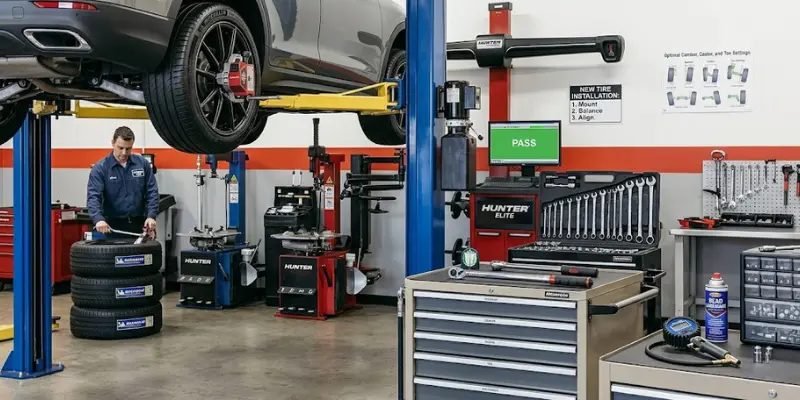
A wheel alignment with new tyres is usually recommended if:
- your old tyres showed uneven wear
- your car pulls to one side
- the steering wheel sits off-centre
- you recently hit a pothole or kerb
- you replaced suspension or steering parts
- it has been a long time since your last alignment
If none of those apply, and your vehicle was already driving straight with even tyre wear, you may not need an alignment immediately. Still, many drivers choose to have one done with new tyres for peace of mind and to help the tyres wear evenly from the start.
What Is Wheel Alignment?
Wheel alignment is the adjustment of your wheels so they sit at the correct angles relative to the road and to each other.
A proper alignment helps your vehicle:
- drive straight
- handle predictably
- reduce uneven tyre wear
- improve driving comfort
- support better fuel efficiency
Alignment is not about moving the tyres themselves. It is about adjusting the suspension and steering angles that control how the tyres meet the road.
What Gets Adjusted During an Alignment?
A professional alignment usually checks three key angles:
Toe
Toe describes whether the tyres point slightly inward or outward when viewed from above.
If toe is off, tyres can scrub across the road surface and wear out quickly.
Camber
Camber is the inward or outward tilt of the tyre when viewed from the front of the vehicle.
Too much camber can wear down the inside or outside edge of the tyre.
Caster
Caster affects steering stability and how well the steering wheel returns to centre after turning.
If caster is out of spec, the car may feel unstable or harder to control.
You do not need to memorise these terms, but knowing them helps you understand why alignment matters.
Why Wheel Alignment With New Tyres Matters
New tyres have full tread depth and fresh grip, which is exactly why you want to protect them. If alignment is off, they may start wearing unevenly much sooner than expected.
Here is why alignment matters with new tyres:
1. It helps your new tyres last longer
Uneven alignment can destroy tread faster on one side of the tyre. That means you may have to replace expensive tyres much sooner.
2. It improves handling
A properly aligned car feels more stable, especially during motorway driving, cornering, and wet-weather driving.
3. It supports safer driving
If your car pulls left or right, you constantly have to correct the steering. That can become tiring and unsafe.
4. It may improve fuel economy
Misaligned wheels can create extra rolling resistance. When the vehicle works harder to move forward, fuel use can increase.
5. It protects the value of your tyre purchase
You are already spending money on new tyres. An alignment helps you get the full life and performance from them.
MORE USEFUL LINKS THAT YOU WILL LIKE:
Car Bumper Scratch Repair Cost – What You’ll Really Pay
Cracks in Tyre Sidewall – What They Mean and When to Replace the Tyre
Best Mileage for a Used Car – A Smart Buyer’s Guide
Signs You Need an Alignment Right Now
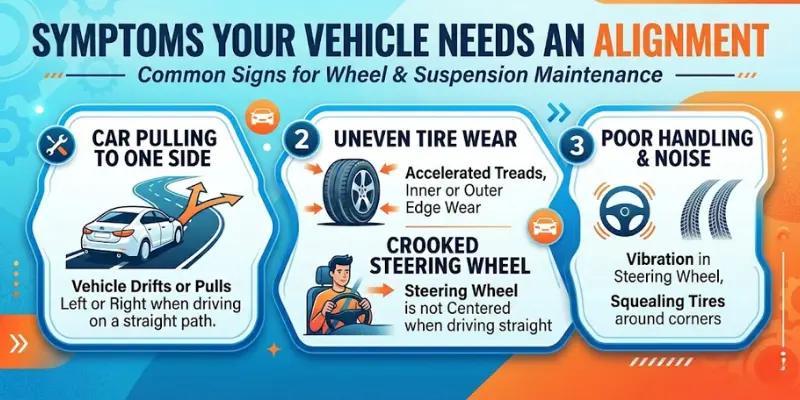
Many articles say you should always get an alignment with new tyres. A better approach is to look at the warning signs.
You likely need a wheel alignment with new tyres if you notice any of the following:
- the car pulls to the left or right
- the steering wheel is not straight when driving forward
- the tyres show uneven wear
- the vehicle feels loose or unstable
- the steering feels off after hitting a pothole
- you notice feathering on the tyre tread
- you recently replaced suspension or steering components
These signs matter because they often show that alignment is already affecting the way your tyres contact the road.
Should You Get Alignment Before or After New Tyres?
This is one area many competitor articles do not explain clearly.
The best answer:
In most cases, alignment is checked when the new tyres are installed or immediately after.
Why? Because the goal is to make sure the new tyres start life under the right conditions.
A simple rule:
- If your old tyres wore unevenly, ask for an alignment inspection before fitting the new tyres.
- Once the new tyres are on, complete the alignment if needed.
- If steering or suspension parts are worn, fix those first, then perform the alignment.
So the real question is not just before or after. It is whether the vehicle is mechanically ready for alignment and whether the new tyres will wear correctly from the start.
When You May Not Need Alignment With New Tyres
Let’s keep it honest. Not every tyre replacement automatically requires an alignment.
You may not need one immediately if:
- your car was already driving straight
- your old tyres wore evenly
- the steering wheel was centred
- there has been no pothole, kerb strike, or suspension repair
- you recently had a proper alignment done
That said, many drivers still choose to combine wheel alignment with new tyres because it is a practical time to check everything together.
What Happens If You Skip Alignment?
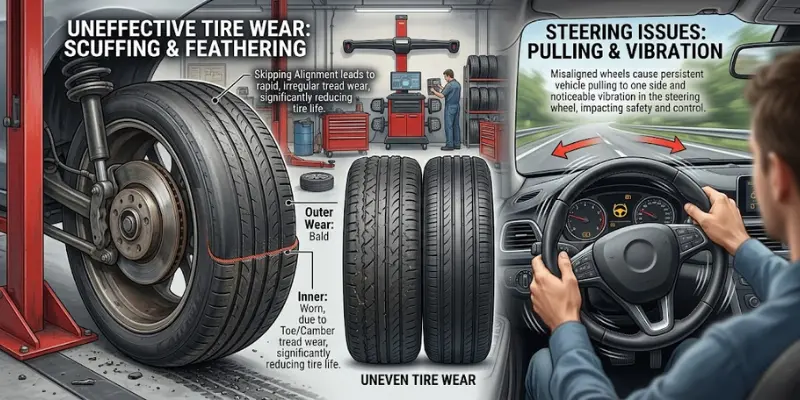
Skipping alignment does not always cause instant problems, but it can create expensive issues over time.
You may notice:
- faster tread wear
- tyres wearing more on one edge
- reduced steering accuracy
- more driver fatigue on longer trips
- poorer stability in rain
- lower fuel efficiency
The biggest problem is that tyre damage from misalignment often happens slowly. By the time you notice it, a good portion of tyre life may already be gone.
Alignment vs Balancing vs Rotation
Many drivers mix these up, but they are completely different services.
Wheel Alignment
Adjusts wheel angles so the tyres meet the road correctly.
Tyre Balancing
Corrects weight imbalance in the wheel and tyre assembly to reduce vibration.
Tyre Rotation
Moves tyres to different positions on the vehicle so they wear more evenly.
Why this matters
You can have:
- balanced tyres but poor alignment
- correct alignment but unbalanced tyres
- both done properly and still need regular rotation
If you are getting new tyres, ask the shop which of these services are included.
When Alignment Will Not Fix the Problem
This is another important point many articles miss.
Sometimes alignment is not the root issue. If a vehicle has worn or damaged parts, alignment alone will not solve the problem.
Common issues that can affect alignment or tyre wear:
- worn ball joints
- damaged tie rods
- weak or leaking shocks/struts
- worn bushes
- bent wheels
- damaged control arms
- steering or suspension wear
If those parts are faulty, they should be repaired first. Otherwise, the alignment may not hold, and your new tyres may still wear badly.
How Often Should You Check Wheel Alignment?
There is no perfect one-size-fits-all schedule, but it is wise to check alignment:
- when installing new tyres
- after hitting a pothole or kerb
- after suspension or steering repairs
- when you notice uneven tyre wear
- when the vehicle starts pulling to one side
- as part of regular maintenance inspections
If you drive on rough roads often, alignment checks become even more important.
Is Wheel Alignment Worth the Extra Cost?
In many cases, yes.
A wheel alignment usually costs far less than replacing a prematurely worn set of tyres. It can also improve comfort, protect handling, and help your vehicle feel more planted on the road.
When you look at the bigger picture, alignment is often a small cost that helps protect a much bigger investment.
Practical Tips Before You Book the Service
Before getting a wheel alignment with new tyres, keep these tips in mind:
- ask the shop to inspect tyre wear patterns on the old tyres
- request a printout of alignment readings if available
- ask whether your vehicle needs two-wheel or four-wheel alignment
- make sure suspension and steering components are checked
- confirm whether balancing is included with the tyre fitting
- pay attention to how the vehicle feels after the service
A good workshop should be able to explain what was adjusted and why.
Final Verdict
So, do you need wheel alignment with new tyres?
Not in every single case, but very often yes.
If your old tyres wore unevenly, your car pulls to one side, your steering wheel is off-centre, or you recently hit a pothole or replaced suspension parts, alignment is strongly recommended.
Even if your vehicle seems fine, checking alignment when fitting new tyres is still a smart move. It helps protect tyre life, improves handling, and gives you confidence that your vehicle is driving as it should.
When you spend money on new tyres, it makes sense to give them the best possible start.
FAQs
No. New tyres do not automatically mean your alignment is off. But if there are warning signs like uneven wear or pulling, alignment is a good idea.
Usually, alignment is checked during or right after new tyre installation. If suspension parts are worn, those should be repaired first.
Yes. Poor alignment can cause uneven tread wear and shorten the life of new tyres.
Yes, but it may not be the best choice if your vehicle already shows alignment symptoms.
No. Balancing and alignment are different services. Balancing fixes vibration, while alignment corrects wheel angles.
Common signs include pulling to one side, an off-centre steering wheel, uneven tyre wear, and unstable handling.
MORE USEFUL LINKS THAT YOU WILL LIKE:
Hyundai Elantra vs Sonata – Which Hyundai Sedan Is Better for You?
Car Buying Guide Texas: How to Buy Smart and Avoid Costly Mistakes
Golf Buggy Tyre Pressure – The Best PSI for a Safer, Smoother Ride






- Be Respectful
- Stay Relevant
- Stay Positive
- True Feedback
- Encourage Discussion
- Avoid Spamming
- No Fake News
- Don't Copy-Paste
- No Personal Attacks
- Be Respectful
- Stay Relevant
- Stay Positive
- True Feedback
- Encourage Discussion
- Avoid Spamming
- No Fake News
- Don't Copy-Paste
- No Personal Attacks
