Car Door Lock Repair: Common Problems, Costs, and Easy Fixes
Published: 30 May.2026
A car door lock should work smoothly every time you press the key fob or turn the key. But when the lock suddenly stops working, sticks, buzzes, or refuses to open, it can quickly become frustrating and stressful. Many drivers deal with car door lock repair problems without knowing whether the issue is mechanical, electrical, or related to the key system.
Modern vehicles use complex lock systems that combine electronic actuators, latch assemblies, sensors, key fobs, and security modules. Because of this, car door lock repair is no longer just about replacing a simple lock cylinder. Diagnosing the exact problem first can save you time and hundreds of dollars in unnecessary repairs.
This guide explains the most common car door lock repair issues, warning signs, repair costs, DIY troubleshooting steps, smart key problems, winter lock failures, and when you should replace the entire lock assembly.
Why Car Door Locks Stop Working
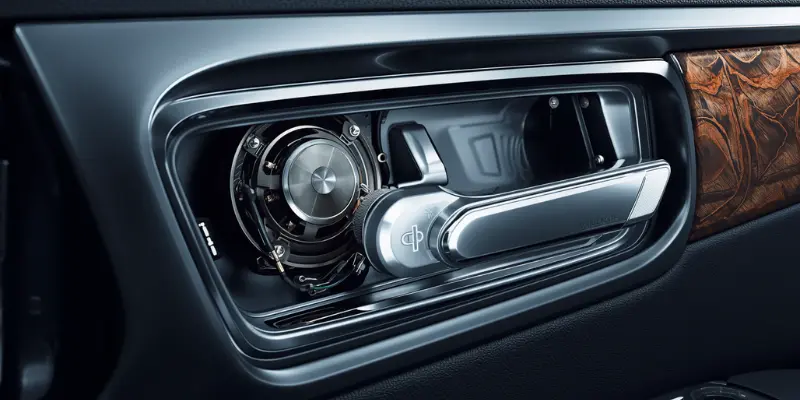
Car door locks fail for many different reasons. Some problems are simple and inexpensive, while others involve electrical components inside the door.
The most common causes include:
- Failed door lock actuator
- Worn lock cylinder
- Broken linkage rods
- Dead key fob battery
- Blown fuse
- Moisture damage
- Frozen lock mechanism
- Wiring problems inside the door
- Damaged latch assembly
- Dirt and rust buildup
In modern vehicles, actuator failure is one of the biggest reasons drivers need car door lock repair.
Common Symptoms of Car Door Lock Problems
Different symptoms usually point to different failures. Identifying the exact sign helps narrow down the repair quickly.
| Symptom | Possible Cause |
|---|---|
| Buzzing noise inside door | Weak or failing actuator |
| Key turns but door stays locked | Broken linkage or latch |
| One door will not unlock | Bad actuator |
| All locks stop working | Fuse or control module issue |
| Door locks work sometimes | Wiring or moisture problem |
| Key fob stops unlocking doors | Weak battery or signal issue |
| Lock freezes in winter | Moisture inside mechanism |
| Door will not open from inside | Child lock or latch problem |
What Is a Door Lock Actuator?
A door lock actuator is a small electric motor inside the door that controls the locking and unlocking movement.
When you press:
- the key fob
- interior lock switch
- smart entry button
the actuator receives an electrical signal and moves the lock mechanism.
If the actuator fails, the lock may:
- click without opening
- buzz repeatedly
- move slowly
- stop responding completely
Actuator problems are extremely common in modern vehicles and are responsible for many car door lock repair jobs.
Door Lock Actuator vs Lock Cylinder
Many drivers confuse these two parts.
| Part | Main Function |
|---|---|
| Lock Cylinder | Mechanical key entry |
| Door Lock Actuator | Electronic locking movement |
A worn lock cylinder usually causes:
- difficulty turning the key
- key sticking
- key spinning freely
A bad actuator usually causes:
- power lock failure
- buzzing noises
- intermittent locking
Knowing the difference helps avoid replacing the wrong part.
MORE USEFUL LINKS THAT YOU WILL LIKE:
Hyundai Elantra vs Sonata – Which Hyundai Sedan Is Better for You?
Honda Civic vs Toyota Corolla – Which One Is Better for You?
Dual Turbo vs Twin Turbo – What’s the Real Difference?
How to Diagnose a Car Door Lock Repair Problem
Before replacing parts, inspect the symptoms carefully.
If Only One Door Stops Working
The actuator is usually failing.
If All Doors Stop Locking
Check:
- fuse
- battery voltage
- body control module
- central locking system
If the Key Fob Stops Working
Try:
- replacing the battery
- testing spare key fob
- reprogramming the remote
If the Door Will Not Open From Inside
Possible causes include:
- child safety lock activated
- damaged latch
- disconnected cable
If You Hear Clicking or Buzzing
This usually means the actuator motor is weak but still receiving power.
Easy DIY Car Door Lock Repair Fixes
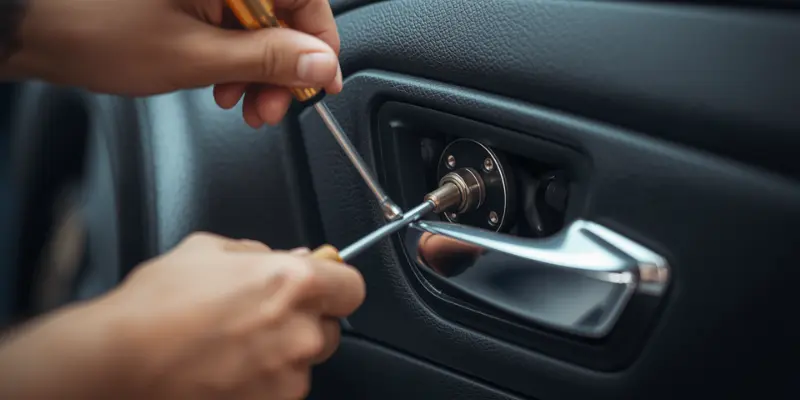
Some lock problems can be solved without replacing expensive parts.
1. Lubricate the Lock Mechanism
Dirt and moisture can cause internal sticking.
Use:
- silicone spray
- graphite lubricant
Avoid excessive oil because it attracts dirt.
2. Replace the Key Fob Battery
A weak battery can reduce signal strength and cause delayed locking.
Most key fob batteries cost under $10.
3. Check the Door Lock Fuse
A blown fuse can disable the entire lock system.
Look in:
- owner’s manual
- fuse box diagram
4. Inspect for Frozen Locks
In cold weather:
- moisture freezes inside the latch
- actuator movement becomes restricted
Warm the lock gently and use lock de-icer if needed.
5. Test the Spare Key
Sometimes the issue is simply a worn key rather than the lock itself.
Car Door Lock Repair Cost
Car door lock repair costs vary depending on:
- vehicle type
- labor rates
- electronic complexity
- replacement parts
Average Repair Costs
| Repair Type | Average Cost |
|---|---|
| Lock lubrication | $20–$50 |
| Fuse replacement | $10–$40 |
| Key fob battery | $5–$15 |
| Door lock actuator replacement | $150–$450 |
| Lock cylinder replacement | $80–$250 |
| Full latch assembly replacement | $250–$700 |
| Smart key reprogramming | $50–$300 |
Luxury vehicles with advanced smart entry systems usually cost more.
Most Common Vehicle Lock Problems
Some vehicles are known for recurring lock issues.
Ford Vehicles
Common problems:
- weak actuators
- intermittent power locks
- wiring harness damage
Honda Vehicles
Frequent issues:
- actuator motor wear
- delayed unlocking
- buzzing sounds
Toyota Vehicles
Typical failures:
- worn lock actuators
- cold weather sticking
- latch assembly wear
BMW and Mercedes-Benz
Luxury models often experience:
- comfort access system failures
- electronic module issues
- expensive actuator replacement costs
Winter Weather and Car Door Lock Repair
Cold weather creates major lock problems.
Moisture can:
- freeze inside the latch
- damage actuator movement
- prevent proper locking
Winter Prevention Tips
- Keep locks clean
- Use silicone lubricant before winter
- Avoid spraying water directly into locks
- Park indoors during freezing temperatures when possible
Frozen locks are one of the biggest seasonal causes of car door lock repair.
Smart Key and Keyless Entry Problems
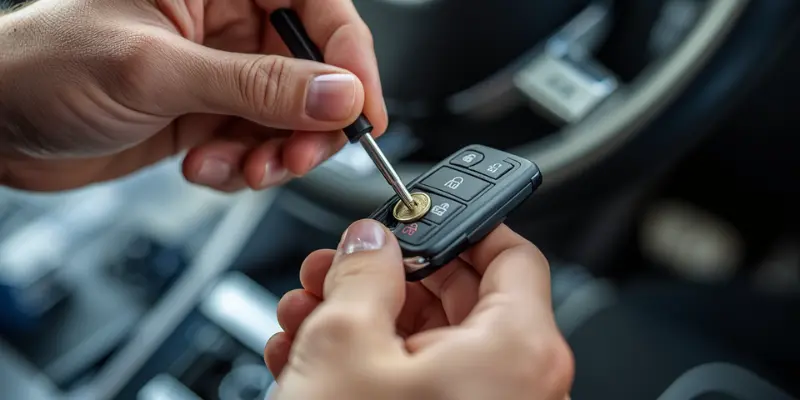
Modern cars rely heavily on electronics.
Sometimes the issue is not the lock itself but the communication system.
Common Smart Key Problems
- weak key fob battery
- signal interference
- failed antenna
- software glitches
- BCM communication failure
If the push-button start works inconsistently along with the locks, the issue may involve the vehicle’s electronic control system.
When You Should Replace the Entire Door Lock Assembly
Repairing individual parts is not always the best option.
Full replacement is often better when:
- multiple components fail together
- the latch is damaged
- water corrosion spreads inside the door
- the actuator repeatedly fails
- the vehicle has high mileage
A complete assembly replacement can improve long-term reliability.
DIY vs Professional Car Door Lock Repair
| DIY Repair | Professional Repair |
|---|---|
| Lower cost | Faster diagnosis |
| Good for simple fixes | Better for electrical issues |
| Requires tools and patience | Warranty included |
| Risk of breaking clips | Proper programming tools |
Simple lubrication and battery replacement are beginner-friendly. Electrical diagnosis usually requires professional testing equipment.
How to Prevent Future Door Lock Problems
Preventive maintenance can reduce future repair costs.
Helpful Maintenance Tips
- Lubricate locks every few months
- Keep moisture out of the door
- Replace weak key fob batteries early
- Fix slow lock movement quickly
- Avoid forcing frozen locks
- Clean dirt buildup around the latch
Small maintenance steps can extend lock system life significantly.
Final Thoughts
Car door lock repair problems can range from a simple frozen latch to a failed electronic actuator or smart key system. Understanding the exact symptom before replacing parts is the best way to avoid wasting money and time.
Many lock issues start with small warning signs such as slow unlocking, buzzing noises, or occasional failures. Fixing these early often prevents larger and more expensive repairs later.
Whether your problem involves a worn lock cylinder, failing actuator, frozen latch, or keyless entry issue, proper diagnosis is the key to finding the right solution quickly and safely.
Frequently Asked Questions
Yes, but it creates security and safety risks, especially if the door cannot latch properly.
A buzzing sound usually means the actuator motor is failing.
Most actuators last between 7 and 15 years depending on usage and weather conditions.
Minor repairs are inexpensive, but smart lock systems and luxury vehicles can become costly.
Yes. Moisture freezing inside the latch can damage internal components over time.
If the actuator motor is weak or intermittent, replacement is usually the better long-term solution.
MORE USEFUL LINKS THAT YOU WILL LIKE:
Car Electrical System Repair Cost – Complete Guide for Drivers
Power Steering Rack Replacement Cost – Full Guide for Drivers
Car Bumper Scratch Repair Cost – What You’ll Really Pay


- Be Respectful
- Stay Relevant
- Stay Positive
- True Feedback
- Encourage Discussion
- Avoid Spamming
- No Fake News
- Don't Copy-Paste
- No Personal Attacks
- Be Respectful
- Stay Relevant
- Stay Positive
- True Feedback
- Encourage Discussion
- Avoid Spamming
- No Fake News
- Don't Copy-Paste
- No Personal Attacks
